
Guide to Estimated Costs for a Battery Recycling Production Line
Presented by Amindus Consulting and Solutions
Battery recycling is becoming a critical industry as the demand for sustainable energy storage grows and environmental regulations tighten. Setting up a battery recycling production line involves significant investment and operational planning. This post breaks down the estimated costs involved, the types of batteries that can be recycled, the key stages of recycling, the machinery required, and the factors influencing profitability. Whether you are a manufacturer or an investor, this guide will help you understand the financial and operational aspects of battery recycling.

Types of Batteries That Can Be Recycled
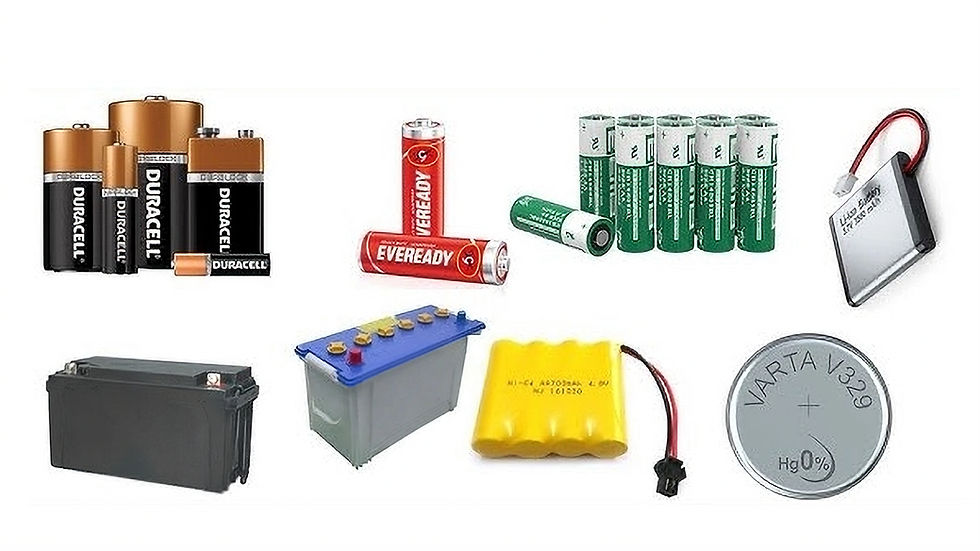
Battery recycling processes vary depending on the battery chemistry. The most common types of batteries recycled industrially include:
Lead-Acid Batteries
Widely used in vehicles and backup power systems, lead-acid batteries are among the oldest types recycled. They contain lead, plastic, and sulfuric acid, all of which can be recovered and reused.
Lithium-Ion Batteries
Found in smartphones, laptops, and electric vehicles, lithium-ion batteries require more complex recycling due to their chemical composition and safety concerns. Valuable metals like lithium, cobalt, and nickel can be extracted.
Nickel-Metal Hydride (NiMH) Batteries
Common in hybrid vehicles and some consumer electronics, NiMH batteries contain nickel and rare earth elements that can be recovered.
Nickel-Cadmium (NiCd) Batteries
Used in power tools and emergency lighting, NiCd batteries contain toxic cadmium, making safe recycling essential.
Each battery type demands specific handling and processing steps, influencing the design and cost of the recycling line.
Key Stages of Industrial Battery Recycling
Battery recycling involves several stages to safely and efficiently recover materials:
Collection
Gathering spent batteries from consumers, businesses, and waste facilities.
Safe Disposal and Pre-Treatment
Neutralizing hazardous components and preparing batteries for dismantling.
Dismantling
Manual or automated separation of battery components such as casings, electrodes, and electrolyte.
Shredding
Mechanical size reduction to break batteries into smaller pieces.
Separation
Using physical and chemical methods to separate metals, plastics, and other materials.
Refining
Chemical processing to purify recovered metals for reuse.
Each stage requires specialized equipment and safety measures to handle toxic and flammable materials.
Machinery Used at Each Stage and Their Prices
The choice of machinery depends on the battery types processed, capacity, and automation level. Below is an overview of common machines and their approximate price ranges:
Unloaders
Used in dismantling to safely open battery casings.
Price range: $50,000 to $150,000
Shredders
Heavy-duty shredders break down batteries into smaller fragments.
Price range: $200,000 to $600,000 depending on capacity
Magnetic Separators
Separate ferrous metals from shredded material.
Price range: $30,000 to $100,000
Hydraulic Separators
Separate materials based on density differences, such as plastics and metals.
Price range: $100,000 to $300,000
Furnaces
Used in refining to melt and purify metals like lead and nickel.
Price range: $500,000 to $1,500,000 depending on size and technology
Filtration Systems
Capture dust and emissions during processing to meet environmental standards.
Price range: $100,000 to $400,000
For a mid-sized production line processing 10,000 tons per year, initial machinery investment can range from $2 million to $5 million.
Investment Costs Based on Capacity and Automation Level
The total investment depends heavily on the plant’s capacity and the degree of automation:
Small-scale plants (1,000 to 5,000 tons/year)
Lower initial investment ($500,000 to $1.5 million) with more manual labor and basic machinery.
Mid-scale plants (5,000 to 20,000 tons/year)
Investment between $2 million and $6 million with semi-automated systems.
Large-scale plants (20,000+ tons/year)
Investment exceeding $10 million with fully automated lines, advanced robotics, and integrated control systems.
Automation reduces labor costs and improves safety but requires higher upfront capital. Investors must balance capacity, automation, and budget to optimize returns.
Operating Costs to Consider
Running a battery recycling plant involves ongoing expenses:
Energy Costs
Shredders, furnaces, and separation equipment consume significant electricity and fuel. Energy costs can account for 20-30% of operating expenses.
Labor Costs
Skilled operators, maintenance staff, and safety personnel are essential. Labor costs vary by region but typically represent 25-35% of operating costs.
Maintenance Costs
Regular servicing of shredders, separators, and furnaces is critical to avoid downtime. Maintenance can add 10-15% to operating expenses.
Waste Treatment Costs
Handling hazardous waste, emissions, and residues requires treatment facilities and compliance with regulations, adding 10-20% to costs.
Efficient process design and preventive maintenance help control these expenses.
Environmental and Safety Standards
Battery recycling plants must comply with strict environmental and safety regulations to protect workers and the community:
Emission Controls
Filtration and gas treatment systems must limit release of heavy metals and toxic gases.
Hazardous Waste Management
Proper storage, transport, and disposal of battery residues and chemicals are mandatory.
Worker Safety
Protective equipment, training, and emergency protocols reduce risks from toxic exposure and fire hazards.
Certifications
Compliance with ISO 14001 (environmental management) and ISO 45001 (occupational health and safety) is often required.
Meeting these standards adds to capital and operating costs but is essential for legal operation and community acceptance.
Assessing Profitability of a Battery Recycling Project
Profitability depends on several factors:
Feedstock Availability and Cost
Reliable supply of spent batteries at reasonable prices is crucial.
Recovery Rates and Material Prices
Higher recovery of valuable metals like lithium, cobalt, and lead improves revenue.
Operational Efficiency
Automation and optimized processes reduce costs and increase throughput.
Market Demand
Growing demand for recycled battery materials supports stable prices.
Regulatory Incentives
Subsidies, tax breaks, or mandates for recycling can improve margins.
For example, a mid-scale lithium-ion battery recycling plant processing 10,000 tons annually can generate revenues of $8 million to $12 million, with operating costs around $6 million. After accounting for depreciation and financing, payback periods typically range from 5 to 8 years.




Comments