
Estimate Costs for Setting Up Battery Manufacturing Production Lines
Updated: Jan 4
Presented by Amindus Consulting and Solutions
Setting up a production line for battery manufacturing involves significant investment and careful planning. The costs vary widely depending on the battery technology, production scale, automation level, and location. This guide breaks down the key factors influencing the cost of establishing battery manufacturing lines, covering different battery types, manufacturing processes, equipment needs, operating expenses, and strategic considerations.

Overview of Battery Types and Their Applications
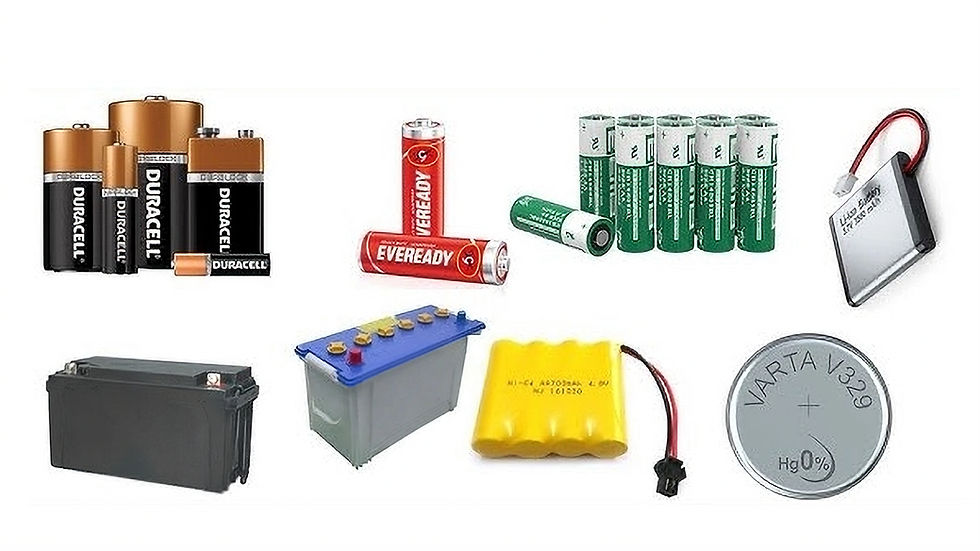
Different battery chemistries serve varied applications, influencing the manufacturing approach and costs.
Lithium-ion (Li-ion)
Widely used in consumer electronics, electric vehicles (EVs), and energy storage systems. Known for high energy density and long cycle life.
Lithium Iron Phosphate (LFP)
A subtype of lithium-ion with enhanced thermal stability and safety. Common in EVs, grid storage, and power tools.
Lead-acid
Traditional battery technology used in automotive starters, backup power, and industrial applications. Lower energy density but cost-effective.
Nickel-based (Nickel-Cadmium, Nickel-Metal Hydride)
Used in portable electronics, power tools, and hybrid vehicles. Offers good performance but environmental concerns limit use.
Sodium-ion
Emerging technology with potential for grid storage and large-scale applications due to abundant raw materials and lower cost.
Each battery type requires tailored manufacturing processes and equipment, impacting the overall investment.
Manufacturing Processes for Different Battery Types
Battery production involves several key steps, which vary by technology.
Lithium-ion and LFP Batteries
Mixing and Coating
Active materials are mixed into slurry and coated onto metal foils (cathode and anode).
Drying and Calendaring
Coated foils are dried and compressed to achieve desired thickness and density.
Cell Assembly
Electrodes are cut, stacked or wound with separators, and placed into casings.
Electrolyte Filling and Sealing
Electrolyte is injected, and cells are sealed under controlled conditions.
Formation and Aging
Cells undergo initial charging cycles to form solid electrolyte interphase and stabilize performance.
Testing and Grading
Cells are tested for capacity, voltage, and safety before packaging.
Lead-acid Batteries
Grid Casting and Pasting
Lead grids are cast and pasted with active material.
Drying and Curing
Plates are dried and cured to harden the active material.
Assembly
Plates are stacked with separators and placed into plastic cases.
Electrolyte Filling and Formation
Sulfuric acid electrolyte is added, and batteries undergo formation charging.
Testing
Final testing ensures capacity and safety compliance.
Nickel-based Batteries
Processes resemble lithium-ion but use different active materials and electrolyte systems. Assembly and formation steps are critical for performance.
Sodium-ion Batteries
Still in development, manufacturing shares similarities with lithium-ion but requires specialized handling of sodium-based materials.
Key Equipment Needed for Each Technology
Mixers and Coaters for slurry preparation and electrode coating (Li-ion, LFP, sodium-ion)
Dryers and Calendaring Machines for electrode processing
Cutting and Stacking/Winding Machines for cell assembly
Electrolyte Filling Stations with controlled atmosphere
Formation and Aging Chambers for initial cycling
Testing Equipment including capacity testers, impedance analyzers, and safety testers
Grid Casting and Pasting Lines for lead-acid batteries
Assembly Lines with automated or manual stacking and sealing
Environmental Control Systems to maintain humidity and temperature
The choice of equipment depends on production scale and automation level.

Estimated Costs for Production Lines by Capacity
Costs vary widely based on battery type, line capacity, and automation.
Small Scale (up to 10 MWh/year) | Medium Scale (10-100 MWh/year) | Large Scale (100+ MWh/year) |
|---------------------|---------------------------------|--------------------------------|-----------------------------|
| Lithium-ion | $5M - $15M | $15M - $50M | $50M - $200M |
| LFP | $4M - $12M | $12M - $40M | $40M - $150M |
| Lead-acid | $1M - $5M | $5M - $15M | $15M - $50M |
| Nickel-based | $3M - $10M | $10M - $30M | $30M - $100M |
| Sodium-ion | $6M - $18M | $18M - $60M | $60M - $220M |
These estimates include equipment, installation, and initial setup but exclude land and building costs.
Breakdown of Operating Costs
Operating costs impact profitability and include:
Energy
Battery manufacturing is energy-intensive, especially drying, formation, and testing. Energy can account for 20-30% of operating costs.
Labor
Skilled operators, technicians, and quality control staff are essential. Labor costs vary by region and automation level.
Water
Used in cleaning and cooling processes. Water recycling can reduce costs.
Controlled Environments
Maintaining clean rooms, humidity, and temperature control adds to utility expenses.
Maintenance and Consumables
Regular upkeep of equipment and replacement of materials like separators and electrolyte.
For example, a medium-scale lithium-ion line may spend $2M annually on energy and labor combined.
How Automation Levels Affect Total Investment
Automation reduces labor costs and improves consistency but increases upfront investment.
Low Automation
Manual assembly and testing. Lower initial cost but higher labor expenses and variability.
Partial Automation
Automated coating, cutting, and formation with manual assembly. Balanced investment and efficiency.
Full Automation
Robotic assembly, automated quality control, and integrated data systems. Highest capital cost but lowest operating cost and highest throughput.
Choosing the right automation level depends on production goals, labor availability, and budget.

Safety Standards and Quality Requirements
Battery production must comply with strict safety and quality standards to prevent hazards and ensure performance.
Safety Standards
Compliance with IEC 62133, UL 1642, and UN 38.3 for transport and handling safety. Fire suppression and ventilation systems are mandatory.
Quality Control
Inline testing for capacity, voltage, internal resistance, and leakage. Statistical process control to maintain consistency.
Environmental Controls
Clean rooms and humidity control to prevent contamination.
Meeting these standards requires investment in specialized equipment and trained personnel.
Strategic Factors Influencing Setup Costs
Several strategic considerations affect the cost and success of battery manufacturing.
Location
Proximity to raw materials, skilled labor, and markets reduces logistics costs. Energy prices and regulations vary by region.
Raw Materials
Securing supply chains for lithium, cobalt, nickel, lead, or sodium is critical. Price volatility impacts production costs.
Recycling and Sustainability
Integrating recycling reduces raw material costs and environmental impact. Sustainable practices may qualify for incentives.
Regulatory Environment
Compliance with environmental and safety regulations can add to costs but ensures long-term viability.
Scalability
Designing flexible lines allows scaling production as demand grows, optimizing capital use.
Final Thoughts on Battery Manufacturing Investment
Setting up a battery manufacturing production line requires balancing technology choice, scale, automation, and strategic factors. Initial investments range from a few million to hundreds of millions of dollars depending on these variables. Operating costs, especially energy and labor, significantly influence profitability. Prioritizing safety and quality ensures product reliability and market acceptance. Strategic location and supply chain management can reduce costs and improve competitiveness.




Comments