
Step-by-Step Edible Salt Manufacturing Process and the Equipment Used
Presented by Amindus Consulting and Solutions
Salt is a staple in kitchens worldwide, but few people know how edible salt reaches their tables. The journey from raw salt sources to the fine grains sprinkled on food involves several carefully controlled steps. This post explores the manufacturing process of edible salt, highlighting the different sources, the stages of production, and the equipment used at each step. Understanding this process reveals how quality and safety are maintained in the salt we consume daily.

Sources of Edible Salt
Edible salt comes from three main sources, each with unique characteristics and extraction methods:
Sea Salt
Harvested from seawater through natural evaporation, sea salt retains trace minerals that can influence flavor and color. It is popular for culinary uses and gourmet products.
Rock Salt
Mined from underground salt deposits formed millions of years ago, rock salt is extracted through traditional mining or solution mining. It often contains impurities that require refining.
Refined Salt
Produced by purifying raw salt (from sea or rock sources), refined salt undergoes processes to remove minerals and impurities, resulting in pure sodium chloride crystals. It is the most common form of table salt.
Each source requires specific handling and processing to ensure the salt is safe and suitable for consumption.
Extraction and Evaporation
The first step in edible salt production depends on the source:
Sea Salt Extraction
Seawater is channeled into large, shallow ponds called solar evaporators. Sunlight and wind gradually evaporate the water, leaving behind salt crystals. This natural process can take several weeks.
Rock Salt Mining
Rock salt is extracted from underground mines using drilling and blasting or solution mining, where water dissolves salt deposits and the brine is pumped out.
Refined Salt Production
Raw salt from sea or rock sources is dissolved in water to create brine, which is then purified before crystallization.
Solar evaporators are essential equipment for sea salt production, providing a cost-effective and eco-friendly method to harvest salt.
Washing
After extraction, salt crystals often contain impurities such as sand, clay, or other minerals. Washing removes these unwanted materials:
Salt crystals are rinsed with water in washing tanks or scrubbers.
The washing water is filtered to separate impurities.
Clean salt crystals proceed to the next stage.
Washing improves the purity and appearance of the salt, especially important for edible salt intended for table use.
Purification
Purification removes dissolved impurities and unwanted minerals from the salt solution:
The salt brine is treated with chemicals like lime or sodium carbonate to precipitate impurities.
Centrifuges separate the precipitated solids from the brine.
Additional filtration may be used to clarify the solution.
Centrifuges play a critical role here by efficiently separating solids from liquids, ensuring the salt solution is clean before crystallization.
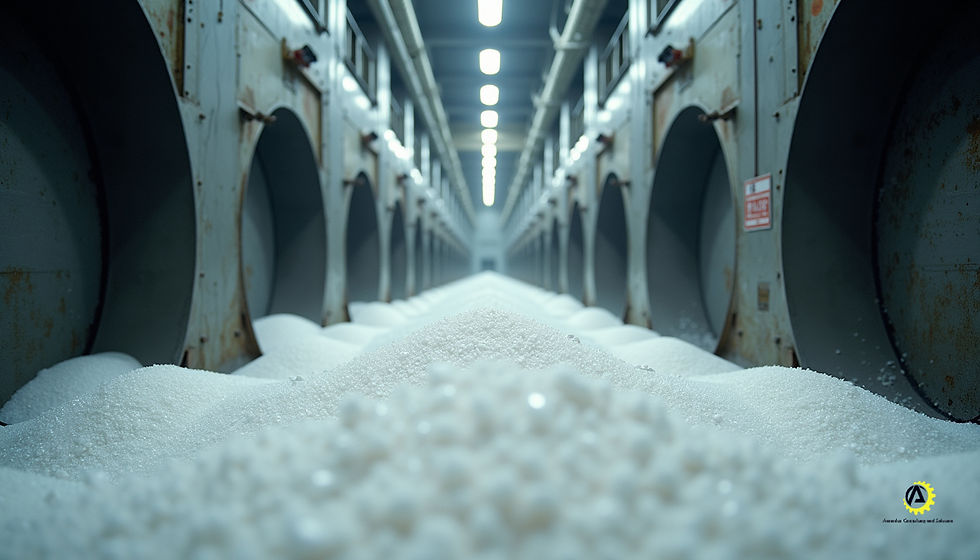
Drying
Once purified, salt crystals contain moisture that must be removed to prevent clumping and spoilage:
Dryers, such as rotary or fluidized bed dryers, reduce moisture content to safe levels.
Controlled temperature and airflow ensure even drying without degrading salt quality.
Drying prepares the salt for grinding and packaging by producing free-flowing crystals.
Grinding
Salt crystals are ground to achieve the desired grain size:
Grinders or mills crush large crystals into fine or coarse grains.
The grinding process can be adjusted to produce table salt, kosher salt, or other varieties.
Grinding affects the texture and usability of edible salt in cooking and food processing.
Sieving
After grinding, salt passes through sieves to separate particles by size:
Sievers or vibrating screens classify salt grains.
Oversized particles are reprocessed or discarded.
Uniform grain size ensures consistent quality and appearance.
Sieving guarantees that edible salt meets consumer expectations for texture and dissolvability.
Salt Iodization and Quality Standards
Iodization adds iodine to edible salt to prevent iodine deficiency disorders, a major public health concern worldwide. The process involves:
Mixing potassium iodate or potassium iodide with salt during or after grinding.
Ensuring even distribution of iodine throughout the salt batch.
Food-grade quality standards regulate salt purity, moisture content, and iodine levels. Compliance with these standards ensures safety and nutritional benefits.
Packaging and Quality Control
Packaging protects salt from moisture, contamination, and loss of iodine:
Salt is packed in moisture-proof bags or containers.
Automated packaging machines fill and seal products efficiently.
Quality control involves:
Testing for purity, grain size, moisture, and iodine content.
Monitoring production parameters to maintain consistency.
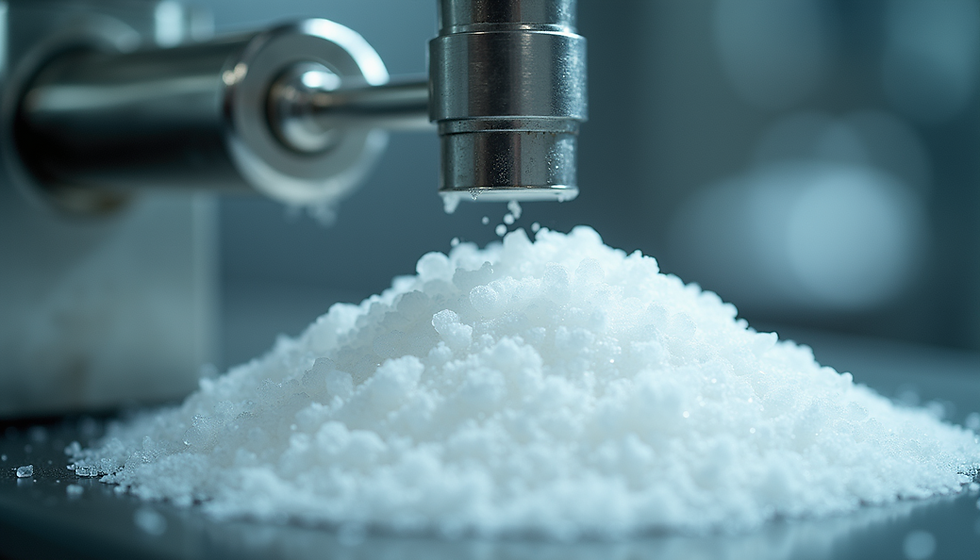
Proper packaging and quality control preserve the integrity of edible salt until it reaches consumers.



Comments