
How to Choose the Right Engine Radiator Fan: Factors Every Buyer Must Consider
Presented by Amindus Consulting and Solutions
Choosing the right engine radiator fan is crucial for maintaining optimal engine temperature, improving performance, and extending the life of your vehicle or equipment. A well-selected fan ensures efficient cooling, reduces fuel consumption, and minimizes noise. This guide covers the essential factors every buyer should consider to make an informed decision.
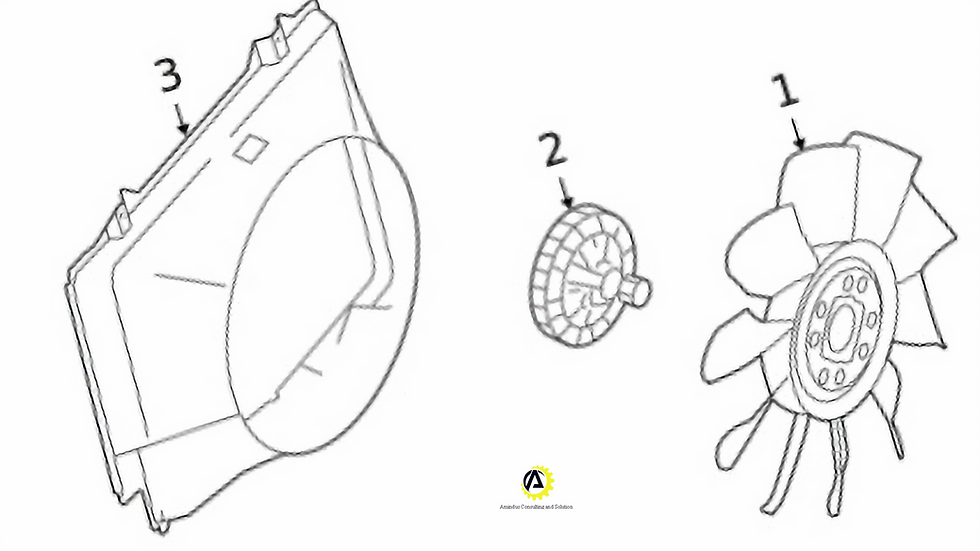
The Role of the Fan in the Engine Cooling System
The engine radiator fan plays a vital role in the cooling system by drawing air through the radiator to dissipate heat from the engine coolant. Without adequate airflow, the engine can overheat, leading to reduced efficiency, damage, or even failure. The fan helps maintain the engine within its optimal temperature range, especially during low-speed driving or idling when natural airflow is limited.
Understanding this role highlights why selecting the right fan is not just about size or appearance but about matching performance to your engine’s cooling needs.
Different Types of Engine Radiator Fans
Engine radiator fans come in several types, each with unique features and applications:
Mechanical Fans
Driven directly by the engine via a belt or pulley, mechanical fans are simple and reliable. They provide consistent airflow but can consume engine power, affecting fuel efficiency.
Electric Fans
Powered by the vehicle’s electrical system, electric fans turn on and off based on temperature sensors. They offer better fuel economy since they only run when needed and allow more precise cooling control.
Viscous Coupling Fans
These fans use a fluid coupling to adjust blade speed relative to engine temperature. They provide variable airflow, reducing power loss at low temperatures while increasing cooling when necessary.
Hydraulic Fans
Common in heavy-duty and industrial engines, hydraulic fans use fluid pressure to drive the blades. They offer smooth speed control and are durable under harsh conditions.
Each type suits different engine sizes, vehicle types, and operating environments. For example, electric fans are popular in modern cars, while viscous or hydraulic fans are often found in trucks and industrial equipment.
Required Airflow, Speed, Diameter, and Blade Direction
Selecting a fan requires understanding key performance parameters:
Airflow (CFM - Cubic Feet per Minute)
The fan must move enough air to cool the engine effectively. The required CFM depends on engine size, heat output, and operating conditions. For example, a small car engine may need 1,500 to 3,000 CFM, while heavy-duty engines require much higher airflow.
Rotational Speed (RPM)
Fan speed affects airflow volume and noise. Mechanical fans typically run at engine speed or a fraction of it, while electric fans have adjustable speeds. Matching speed to cooling needs avoids unnecessary power loss or noise.
Diameter
Fan diameter influences the volume of air moved. Larger fans move more air but require more space and power. Ensure the fan fits within the engine bay without interfering with other components.
Blade Direction and Pitch
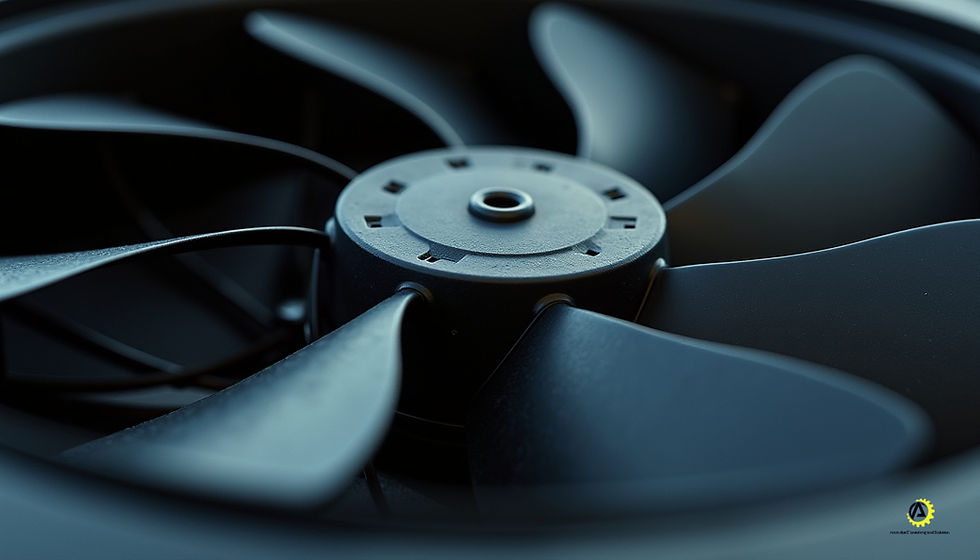
The angle and direction of the blades determine airflow direction and efficiency. Forward-curved blades push air toward the radiator, while backward-curved blades pull air. Blade pitch affects noise and power consumption.
Choosing the right combination of these factors ensures efficient cooling without overloading the engine or creating excessive noise.
Compatibility with Radiator, Engine, and Pulley
Compatibility is critical to avoid installation issues and ensure optimal performance:
Radiator Fit
The fan must match the radiator’s size and mounting points. A mismatch can reduce airflow or cause mechanical interference.
Engine Requirements
Consider engine heat output, space constraints, and cooling system design. Some engines require fans with specific airflow or speed characteristics.
Pulley and Drive System
For mechanical fans, the fan clutch and pulley size must align with the engine’s belt system. Incorrect sizing can cause belt slippage or excessive wear.
Before purchasing, verify dimensions, mounting types, and drive compatibility with manufacturer specifications or consult a professional.
Materials Used and Their Durability
Engine radiator fans are made from various materials, each with pros and cons:
Metal (Steel or Aluminum)
Metal fans are strong and durable but heavier. Aluminum offers corrosion resistance and lighter weight compared to steel.
Plastic
Plastic fans are lightweight and quieter but may degrade faster under high heat or mechanical stress.
Composite Materials
These combine strength and lightness, often used in high-performance or industrial fans.
Durability matters for long-term reliability, especially in harsh environments like industrial sites or generator sets. For example, aluminum or composite fans resist corrosion better than steel in humid or salty conditions.
Impact on Fuel Consumption and Noise Levels
The engine radiator fan affects fuel consumption and noise in several ways:
Fuel Consumption
Mechanical fans draw power directly from the engine, increasing fuel use. Electric fans reduce this by running only when needed. Viscous and hydraulic fans adjust speed to balance cooling and power use.
Noise Levels
Fan blade design, speed, and material influence noise. Forward-curved blades tend to be noisier, while backward-curved blades are quieter. Plastic blades often produce less noise than metal.
Choosing a fan that balances cooling efficiency with low power draw and noise improves overall vehicle or equipment performance and operator comfort.
Common Mistakes to Avoid When Selecting an Engine Radiator Fan
Avoid these pitfalls to ensure you pick the right fan:
Ignoring Compatibility
Buying a fan without checking fit and drive system compatibility leads to installation problems.
Overestimating Airflow Needs
Excessively large fans waste power and increase noise without improving cooling.
Neglecting Material Quality
Cheap plastic fans may fail prematurely, causing downtime and extra costs.
Not Considering Operating Conditions
Fans suitable for light-duty vehicles may not withstand industrial or generator set environments.
Overlooking Noise Impact
High noise levels can affect operator comfort and violate regulations.
Careful evaluation of these factors prevents costly mistakes.

Best Practices for Industrial Applications and Generator Sets
Industrial engines and generator sets have unique cooling demands:
Choose Durable Materials
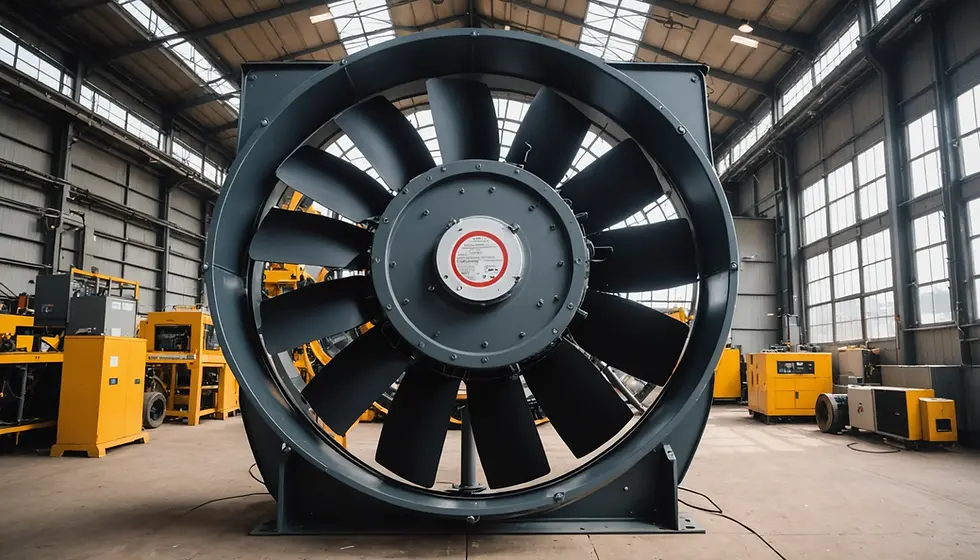
Use aluminum or composite fans resistant to corrosion and vibration.
Select Hydraulic or Viscous Fans for Variable Speed
These fans adjust airflow based on load and temperature, improving efficiency.
Ensure Proper Mounting and Clearance
Industrial environments require secure mounting to withstand shocks and vibrations.
Consider Noise Regulations
Use blade designs and materials that reduce noise, especially in populated areas.
Regular Maintenance
Inspect fans for wear, cracks, or imbalance to avoid unexpected failures.
Following these practices extends equipment life and maintains reliable operation.



Comments