
How Much Does It Cost to Set Up a Motorcycle Manufacturing Line
Presented by Amindus Consulting and Solutions
Starting a motorcycle manufacturing production line requires a clear understanding of the costs involved, the stages of production, and the best ways to source parts and equipment. This post breaks down the key expenses and processes, helping entrepreneurs and industry professionals plan effectively for a successful and sustainable operation.

Breakdown of Costs for Establishing a Motorcycle Production Line
Setting up a motorcycle production line involves several cost categories:
Initial investment: Land, factory building, machinery, and equipment.
Operational costs: Labor, energy, maintenance, and logistics.
Parts and components: Engines, frames, tires, and other materials.
Compliance and quality control: Testing, certifications, and safety measures.
The total cost depends on production capacity and the level of automation. For example, a small-scale line producing 500 motorcycles per year may require an initial investment of $2 million to $5 million. Larger, automated lines producing 10,000 units annually can exceed $20 million.
Main Manufacturing Stages
The production line typically includes these stages:
Frame Manufacturing
The frame is the motorcycle’s backbone. This stage involves cutting, bending, welding, and assembling metal tubes or cast parts.
Essential machines: CNC tube benders, welding robots or stations, cutting machines, and jigs for alignment.
Cost factors: Quality of raw materials, precision equipment, and skilled labor.
Engine Production or Assembly
Engines can be manufactured in-house or sourced from suppliers. If produced internally, this stage requires machining, assembly, and testing.
Essential machines: CNC machining centers, engine assembly lines, testing rigs.
Cost factors: Complexity of engine design, automation level, and quality control.
Assembly
This stage brings together the frame, engine, wheels, electrical systems, and other components.
Essential machines: Assembly conveyors, torque tools, robotic arms for precision tasks.
Cost factors: Labor costs, assembly line speed, and error rates.
Painting and Finishing
Painting protects the motorcycle and adds aesthetic value.
Essential machines: Spray booths, drying ovens, surface preparation equipment.
Cost factors: Paint quality, environmental controls, and waste management.
Quality Control
Every motorcycle must meet safety and performance standards.
Essential machines: Inspection stations, dynamometers, emission testers.
Cost factors: Testing frequency, certification costs, and staff training.

Essential Machines and Equipment by Stage
Frame: CNC tube benders, welding stations, cutting machines
Engine: CNC machining centers, assembly rigs, testing benches
Assembly: Conveyor belts, torque wrenches, robotic arms
Painting: Spray booths, drying ovens, surface prep machines
Quality Control: Inspection cameras, dynamometers, emission testers
Initial Investment Estimates Based on Capacity and Automation
Small-scale (500-1,000 units/year)
Investment: $2M to $5M
Automation: Low to medium, more manual labor
Suitable for startups or niche markets
Medium-scale (5,000-10,000 units/year)
Investment: $10M to $15M
Automation: Medium to high, some robotic assistance
Balanced cost and output for growing brands
Large-scale (20,000+ units/year)
Investment: $20M+
Automation: High, fully integrated production lines
For established manufacturers targeting mass markets
Operational Costs Analysis
Running a motorcycle production line involves ongoing expenses:
Labor: Skilled technicians, assembly workers, quality inspectors. Labor costs vary by region but can represent 20-30% of operational expenses.
Energy: Power for machinery, lighting, and climate control. Energy-efficient equipment reduces costs.
Maintenance: Regular upkeep of machines to avoid downtime. Budget 5-10% of initial equipment cost annually.
Logistics: Transport of raw materials and finished motorcycles. Efficient supply chain management lowers costs.
Best Practices for Sourcing Parts and Components
Sourcing reliable parts is critical for quality and cost control.
Engines: Choose suppliers with proven performance records and certifications. Consider local suppliers to reduce shipping time.
Frames: Use trusted metal suppliers with consistent quality. Some manufacturers opt for in-house frame production to control standards.
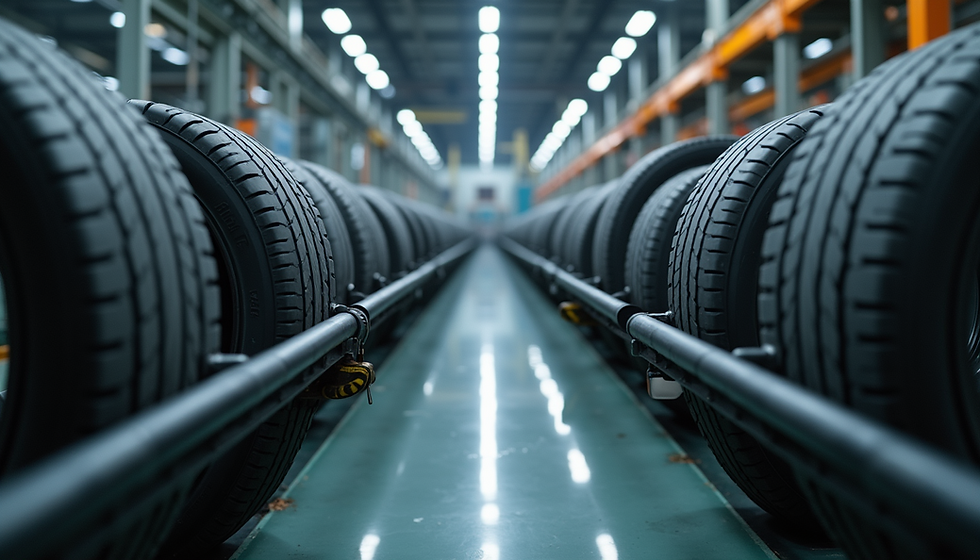
Tires and Accessories: Partner with established brands to ensure safety and durability.
Criteria for Selecting Reliable and Certified Suppliers
Certifications: ISO 9001, ISO/TS 16949 for automotive quality.
Track record: Years in business, client references.
Compliance: Adherence to safety and environmental regulations.
Capacity: Ability to meet volume and delivery schedules.
Support: Technical assistance and warranty terms.
Strategies to Reduce Costs While Maintaining Quality
Bulk purchasing: Negotiate discounts for large orders.
Local sourcing: Cut shipping and customs fees.
Lean manufacturing: Minimize waste and improve workflow.
Automation: Invest in machines that reduce manual errors and speed up production.
Supplier partnerships: Build long-term relationships for better pricing and support.

Quality, Safety, and Regulatory Compliance Standards
Motorcycles must meet strict standards to ensure rider safety and environmental protection:
Safety standards: Compliance with regulations such as FMVSS (US), ECE (Europe), or BIS (India).
Emission controls: Engines must meet emission norms like Euro 5 or equivalent.
Testing: Crash tests, brake performance, and durability assessments.
Documentation: Maintain records for audits and certifications.
Adhering to these standards avoids legal issues and builds customer trust.
Key Success Factors for Profitability and Sustainability
Efficient production: Balance automation and skilled labor to optimize costs.
Quality control: Prevent defects and recalls through rigorous inspections.
Supplier management: Secure reliable parts at competitive prices.
Market understanding: Align production capacity with demand forecasts.
Sustainability: Use eco-friendly materials and energy-saving technologies to reduce environmental impact and appeal to conscious consumers.



Comments