
How to Reduce Diesel Consumption in Industrial Generators
Presented by Amindus Consulting and Solutions
Industrial generators play a crucial role in powering facilities where reliable electricity is essential. Yet, their diesel consumption often represents a significant operational cost and environmental concern. Finding effective ways to reduce diesel consumption can lead to substantial savings and a smaller carbon footprint.
This post explores practical strategies that industries can apply to cut diesel use in generators without compromising performance.
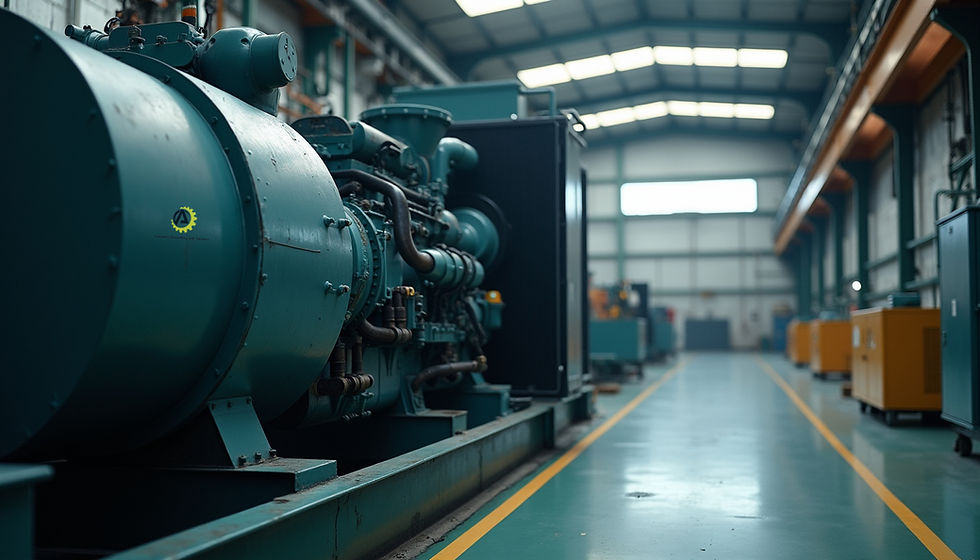
Regular Maintenance Practices
Keeping generators in top condition is the first step to reducing diesel consumption. Poorly maintained engines run inefficiently, burning more fuel for the same output.
Scheduled Inspections
Regular checks on fuel filters, air filters, and oil levels prevent blockages and wear that increase fuel use. For example, a manufacturing plant in Ohio reduced fuel consumption by 8% after implementing a strict monthly maintenance schedule.
Timely Replacement of Parts
Worn spark plugs, clogged injectors, or dirty air filters can cause incomplete combustion, wasting diesel. Replacing these parts on time keeps the engine running cleanly.
Lubrication and Cooling
Proper lubrication reduces friction, while efficient cooling prevents overheating. Both factors improve fuel efficiency. A mining operation in Australia reported a 10% drop in diesel use after upgrading their cooling system and maintaining oil quality.
Optimizing Load Management
Generators consume diesel based on the load they carry. Managing this load effectively can reduce fuel consumption significantly.
Avoid Running at Low Loads
Generators are less efficient when running at very low loads. Combining loads or scheduling operations to keep the generator near its optimal load range (usually 70-80%) improves fuel economy.
Use Multiple Generators Strategically
Instead of running one large generator at low load, operate multiple smaller units closer to their ideal load. A data center in Germany cut diesel use by 12% by balancing loads across three generators rather than running one at 30% capacity.
Load Shedding and Demand Response
Implementing systems that temporarily reduce non-essential loads during peak times can lower fuel consumption. For example, a textile factory in India used automated load shedding to reduce generator runtime by 15%, saving diesel.
Implementing Energy-Efficient Technologies
Upgrading generator systems with energy-efficient technologies can have a lasting impact on diesel consumption.
Variable Speed Generators
Unlike fixed-speed units, variable speed generators adjust engine speed to match load demand, reducing fuel use during partial loads. A hospital in Canada installed variable speed generators and saw a 20% reduction in diesel consumption.
Advanced Fuel Injection Systems
Modern fuel injectors deliver diesel more precisely, improving combustion efficiency. Retrofitting older generators with these systems can reduce fuel use by up to 10%.
Hybrid Systems with Renewable Integration
Combining diesel generators with solar panels or battery storage reduces generator runtime. A remote telecom site in South Africa integrated solar power, cutting diesel use by 30% annually.

Training Staff on Best Operational Practices
Human factors play a key role in diesel consumption. Proper training ensures operators run generators efficiently.
Start-Up and Shutdown Procedures
Avoiding unnecessary idling and following correct start-up sequences reduces fuel waste. A logistics company in Brazil trained its staff on these procedures and cut diesel use by 7%.
Monitoring and Reporting
Teaching operators to monitor fuel consumption and report anomalies helps catch inefficiencies early. A construction firm in the UK introduced daily fuel logs, leading to quicker maintenance responses and a 5% fuel saving.
Emergency Preparedness
Training on how to manage generator loads during emergencies prevents overloading and inefficient operation. This practice helped a hospital in Japan maintain fuel efficiency during power outages.
Real-World Case Studies on Reducing Diesel Consumption
Steel Plant in the United States
By combining regular maintenance, load optimization, and staff training, a steel plant reduced diesel consumption by 15% over 18 months. They replaced old injectors, balanced loads across three generators, and implemented a fuel monitoring system.
Agricultural Facility in Spain
Installing variable speed generators and integrating solar panels cut diesel use by 25%. The facility also trained operators on efficient running hours, maximizing the benefits of the hybrid system.
Mining Operation in Canada
Upgrading cooling systems and enforcing strict maintenance schedules led to a 12% reduction in diesel consumption. The company also used automated load management to avoid running generators at low efficiency.


Comments