
Essential Machines for Craft Chocolate Production From Bean to Bar: A Guide for Small Producers
Updated: Jun 29, 2025
Presented by Amindus Consulting and Solutions
Craft chocolate production has captured the hearts and palates of chocolate lovers worldwide. Transforming raw cacao beans into delicious bars requires precision and the right machines. For small producers aiming to create unique chocolates, understanding the necessary equipment can feel overwhelming. This guide will simplify that journey by outlining the essential machines you need for a successful bean-to-bar chocolate production process.
The Bean to Bar Journey Explained
Before exploring the machines vital for bean-to-bar chocolate production, let’s break down the process. Each stage, from sourcing cacao beans to packaging the final product, impacts the chocolate's taste and quality.
Here are the key stages of the bean-to-bar process:
Sourcing and Roasting: Choose high-quality beans and roast them to unlock their flavors.
Cracking and Winnowing: Split the roasted beans and separate the nibs from their shells.
Grinding: Turn the nibs into chocolate liquor, a mix of cocoa solids and cocoa butter.
Conching: Refine the chocolate mixture to improve its texture and flavor.
Tempering: Stabilize the chocolate for a smooth finish and a glossy appearance.
Molding and Cooling: Shape the tempered chocolate and let it solidify.
Wrapping and Storing: Package the final product for sales and distribution.
With this overview ready, let’s delve into the essential machines that make each stage possible.
Essential Machines for Craft Chocolate Production
1. Cacao Roaster
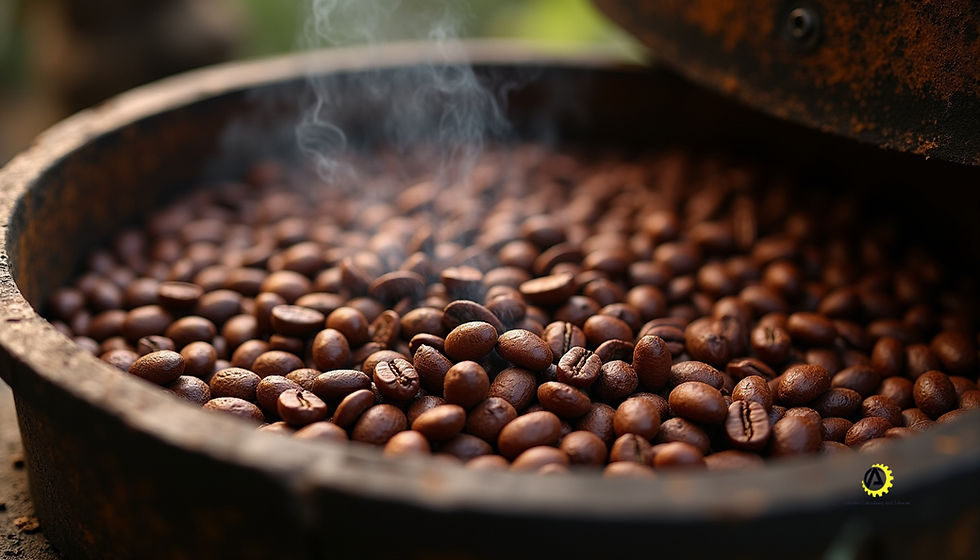
The journey starts with the cacao roaster, a critical machine for enhancing the beans’ flavors. Roasting helps release aroma compounds and caramelizes sugars, developing the beans' inherent characteristics.
When selecting a roaster, keep these factors in mind:
Capacity: Choose a roaster that meets your processing needs. A smaller roaster may handle 1 to 2 kg, while larger models can process 10 kg or more per batch.
Temperature Control: Opt for precision temperature settings, which are essential for achieving the desired roast levels.
A well-roasted bean is foundational for crafting high-quality chocolate.
2. Cracker and Winnower
After roasting, the beans need cracking and winnowing to separate the nibs from their shells. A cracker and winnower machine speeds up this process and reduces manual labor.
These machines are designed to:
Crack the beans easily.
Use airflow or vibration to separate the lighter shells from the dense nibs.
Investing in this equipment can significantly reduce labor time, letting you focus on fine-tuning your chocolate recipes.
3. Melanger or Grinder
Next, you’ll need a melanger or grinder to transform the cacao nibs into chocolate liquor. This machine plays a dual role: it grinds and refines the chocolate’s texture.
Consider these aspects when purchasing a melanger:
Grinding Capacity: Make sure the melanger aligns with your production volume. Smaller models may handle around 2 kg, while larger ones can manage over 20 kg.
Cooling Feature: Some melangers include cooling systems to prevent overheating, which can affect the flavor.
The grinding process is essential for creating the smooth mouthfeel that customers expect in quality chocolate.
4. Conche
Conching is often an overlooked yet crucial step in the chocolate-making process. A conche refines the texture while aerating the chocolate, enhancing flavor development.
Here are key considerations when investing in a conche:
Size and Capacity: Select a conche that fits your production requirements, with options ranging from small tabletop units to larger commercial sizes.
Duration: Be prepared for the conching process to take several hours, which can influence your overall production schedule.
A good conching machine can significantly elevate the taste and texture of your chocolate.
5. Temperer
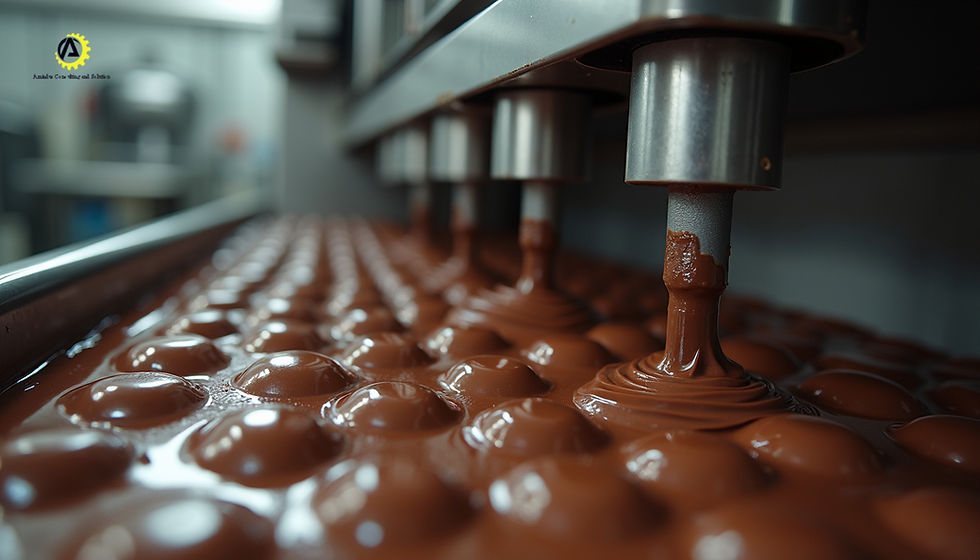
While not every producer uses a temperer, this machine can greatly enhance the quality of your chocolate bars. Proper tempering stabilizes cocoa butter crystals, resulting in a glossy surface and a satisfying snap when broken.
When choosing a temperer, pay attention to:
Temperature Control: Choose a model with precise temperature controls and monitoring features.
Ease of Use: Automated temperers can streamline the process, saving you time and effort.
Proper tempering is vital for a polished final product.
6. Chocolate Molds
Once tempered, it’s time to pour the chocolate into molds. Molds are available in various shapes and sizes, allowing for creativity in your final products.
Here are some points to consider regarding molds:
Material: Silicone molds offer flexibility and durability, making them easier to handle.
Design: Think about creating unique shapes that reflect your brand identity.
Molding represents the final preparation step before cooling and wrapping your chocolates.
7. Cooling Tunnels
After molding, chocolate must cool and solidify. A cooling tunnel or designated cooling room ensures chocolate sets properly while preserving its quality.
When evaluating cooling systems, consider:
Temperature Control: Essential for maintaining the right cooling environment.
Energy Efficiency: Look for cooling options designed to reduce energy consumption, which can cut costs over time.
Correct cooling ensures that your chocolate maintains its smooth texture and high shine.
Practical Tips for Selecting Your Machinery
Choosing the right equipment for chocolate production requires careful consideration of your needs and capacity. Here are practical tips to help you:
Evaluate Your Volume: Determine your desired production scale. This will guide your machine size and capacity choices.
Start Small: If you're new to chocolate production, focus on acquiring only essential equipment initially. As you grow, you can expand your machinery collection.
Prioritize Quality: Invest in machines from trusted manufacturers known for durability. Paying a little more for quality can save you from frequent repairs.
Seek Training and Support: Confirm that the machinery supplier offers comprehensive training and ongoing support. This assistance can enhance your operational efficiency in the long run.
Final Thoughts on Your Chocolate Crafting Journey
Crafting chocolate from bean to bar is complex but rewarding. By understanding the essential machines—like cacao roasters, grinders, conches, and temperers—you lay the groundwork for a thriving chocolate production venture.
The right equipment streamlines the process and improves the quality of your chocolate, giving your customers a delightful experience. Though navigating these choices might seem daunting, clarity on your specific needs will help you make informed decisions that pay off over time.
Whether starting fresh or optimizing your existing setup, remember that quality and precision at every step define your product. With passion and suitable machinery, your craft chocolate business can reach new heights.
Investing in the best machines for your production process sets you on the path to success. Enjoy the sweet journey ahead!


Comments